Finding an affordable home outside Louisville can open more possibilities, but it may be difficult…
USDA Loans Near Louisville: Check Home Eligibility
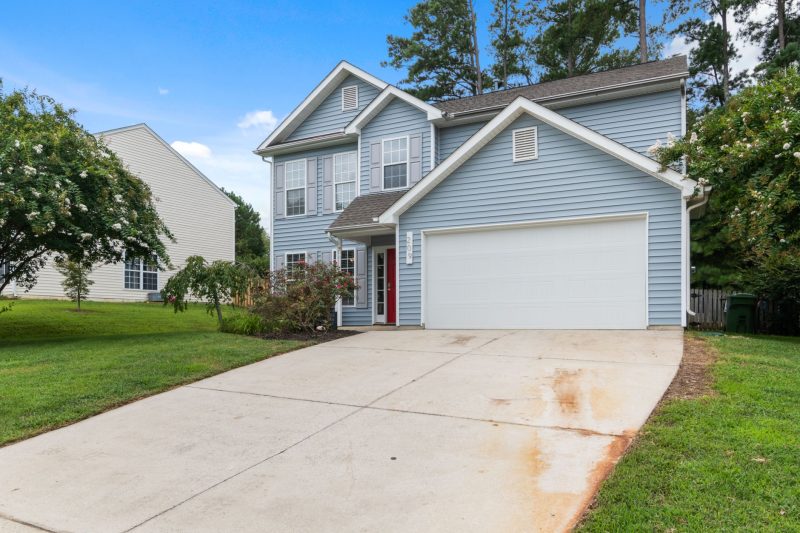
Finding an affordable home near Louisville can be frustrating when the location, income rules, and down payment all affect your financing options.
A USDA loan is a government-backed mortgage that may provide 100% financing for an eligible primary residence when both the property and borrower meet current USDA requirements.
In this guide, we explain how we evaluate addresses, household income, buyer qualifications, and the steps involved in purchasing an eligible home near Louisville.
Key Takeaways
- Financing: Eligible borrowers may finance a qualifying home with 0% down.
- Property Eligibility: The home must be located in an area currently designated as eligible by the USDA.
- Buyer Eligibility: Household income must fall within applicable limits, and the borrower must meet credit, income, and repayment requirements.
- Occupancy: USDA financing is generally limited to a borrower’s primary residence rather than a second home or investment property.
- Best For: The program may fit buyers seeking a home outside Louisville’s most densely populated areas who have limited funds for a down payment.
At First Fidelity Mortgage, Inc (NMLS# 940549), we help Louisville-area buyers review USDA eligibility before they spend time touring homes or preparing an offer.
Quick Answers About USDA Loans
- Can a USDA loan provide zero-down financing? Yes. Qualified borrowers may finance up to the eligible purchase price without a down payment, although closing costs and prepaid expenses still need to be addressed.
- Are homes inside Louisville eligible? Many addresses within the more densely developed portions of Louisville may not qualify, but eligibility can change near the surrounding boundaries. Every address should be checked individually.
- Are there income limits? Yes. USDA household income limits vary by location and household size, and certain permitted deductions may apply.
- Do USDA borrowers have to be first-time homebuyers? No. First-time and repeat buyers may qualify if they satisfy the current program guidelines.
How USDA Loans Work Near Louisville
The USDA Single Family Housing Guaranteed Loan Program is designed to support homeownership in qualifying rural and suburban areas. Although “rural” is part of the program’s name, an eligible property does not always have to be isolated or located on farmland.
Some communities and less densely populated areas outside Louisville’s urban core may qualify. However, eligibility boundaries do not always follow city names, county lines, ZIP codes, or assumptions about whether an area appears rural.
USDA approval involves two separate reviews: the property must be eligible, and the borrower’s household and loan application must meet program requirements. Passing one part of the review does not automatically satisfy the other.
How We Identify an Eligible USDA Property
1. We Check the Exact Street Address
The USDA maintains an online property eligibility map. We use the complete address whenever possible because homes on opposite sides of an eligibility boundary can receive different results.
A general search by city or ZIP code may be helpful during the early planning stage, but it is not a substitute for checking the specific property. If a listing does not yet have a recognized address, additional review may be needed using map boundaries, parcel information, or USDA guidance.
2. We Confirm the Map’s Current Status
USDA eligibility areas can change as population data and program designations are updated. A property that qualified in the past may not remain eligible, while another location may become available under updated boundaries.
For that reason, buyers should not rely solely on an older listing description that says “USDA eligible.” We verify the address under the current map and guidelines before treating USDA financing as a dependable option.
3. We Review the Property Type and Intended Use
The home generally must be a residential property that the borrower will occupy as a primary residence. Commonly eligible property types may include:
- Existing single-family homes
- Some newly constructed homes
- Eligible condominiums
- Certain manufactured homes that satisfy USDA and lender requirements
- Properties with a typical amount of land for the surrounding market
Properties intended primarily for business use, income production, vacation use, or farming may not fit the program. A property with substantial acreage, multiple dwellings, unusual improvements, or commercial features may require additional review.
4. We Consider Property Condition
USDA-financed homes must meet applicable appraisal and property standards. The appraisal addresses value and may identify conditions affecting the home’s safety, soundness, or basic habitability.
An eligible map location does not mean the physical property automatically qualifies. Repairs may be required before closing, depending on the appraisal findings and current guidelines. Buyers considering a property that needs extensive work may need to compare other mortgage loan options, including renovation financing where appropriate.
How We Evaluate USDA Buyer Eligibility
Household Income Limits
USDA eligibility includes a household income test. This calculation may consider income received by adult household members, even when a particular person is not applying for the mortgage.
USDA household income and mortgage qualifying income are related but different calculations. Household income helps determine whether the household is within the program limit, while qualifying income is used to evaluate whether the borrower can repay the mortgage.
Income limits vary based on the property’s location and household size. Certain deductions may apply under USDA rules, so an initial total may not be the final adjusted household income. Current limits and deductions should always be verified for the specific scenario.
Stable and Documented Income
Borrowers generally need stable, documentable income that supports the proposed mortgage payment and other obligations. Depending on how someone is paid, documentation may include pay statements, W-2 forms, tax returns, benefit documentation, bank statements, or employment verification.
Self-employed income, variable compensation, overtime, bonuses, commissions, and other income sources may require additional history and analysis. The amount that can be used for mortgage qualification may differ from current gross receipts or year-to-date earnings.
Credit and Payment History
USDA loans do not use one universal credit outcome for every applicant. Lenders review credit scores, housing payment history, installment debts, revolving balances, collections, and other factors under current USDA and lender guidelines.
Automated underwriting may affect the documentation and review process. Borrowers with limited credit history or past credit challenges may require a more detailed evaluation. Approval is not guaranteed, and requirements vary by borrower and lender.
Debt-to-Income Review
Debt-to-income ratio compares recurring monthly obligations with qualifying monthly income. The review commonly includes the proposed housing payment, credit cards, vehicle loans, student loans, personal loans, child support, and other required debts.
USDA underwriting may consider factors beyond a single ratio, including credit history, cash reserves, payment shock, and automated underwriting findings. We recommend reviewing debts before making an offer rather than assuming a purchase price will qualify.
Primary Residence Requirement
A USDA-financed home generally must be occupied as the borrower’s primary residence. The program is not designed to finance vacation homes, short-term rentals, or investment properties.
A buyer may not need to be purchasing a first home, but current ownership of another adequate property can affect eligibility. The full circumstances should be reviewed before relying on USDA financing.
USDA Loans Compared With Other Purchase Options
| Loan Type | Typical Minimum Down Payment | Location Requirement | Key Consideration |
|---|---|---|---|
| USDA | 0% for eligible borrowers | Property must be in an eligible area | Household income limits apply |
| VA | 0% may be available | No USDA geographic restriction | Requires eligible military service or other qualifying status |
| FHA | 3.5% under standard minimum guidelines | No USDA geographic restriction | Mortgage insurance applies |
| Conventional | As little as 3% for certain programs | No USDA geographic restriction | Pricing and mortgage insurance depend on the scenario |
The right structure depends on eligibility, available funds, property location, credit, income, and long-term plans. Buyers can also review available low down payment purchase options when comparing USDA with conventional, FHA, and VA financing.
Rates, guarantee fees, mortgage insurance costs, lender charges, and program requirements can change. Current information should be confirmed before choosing a loan.
What Costs Should USDA Buyers Plan For?
Zero down does not necessarily mean zero cash needed. A USDA purchase can still involve closing costs, prepaid property taxes, homeowners insurance, inspections, and other transaction expenses.
Depending on the property value, contract terms, and current guidelines, closing costs may be addressed through:
- Buyer funds
- A negotiated seller contribution
- An eligible gift
- Lender credits associated with the selected pricing
- Financing certain costs when the appraised value and USDA rules permit
USDA guaranteed loans also generally include an upfront guarantee fee and an ongoing annual fee. These charges are based on the loan amount and current program rules, so we verify the applicable structure when preparing an estimate.
Steps to Prepare for a USDA Home Search
- Complete a preliminary mortgage review. We evaluate income, assets, credit, debts, and estimated household income.
- Establish a practical payment range. This should account for principal, interest, property taxes, homeowners insurance, and applicable USDA fees.
- Identify potential search areas. We can review USDA map boundaries near Louisville before the buyer begins touring homes.
- Check each address. A promising area does not mean every property within it is eligible.
- Compare financing before making an offer. USDA may be useful, but FHA, VA, or conventional financing could provide a better fit for a particular address or financial profile.
- Update documents before closing. Employment, income, assets, debts, occupancy, and property eligibility may be reverified during the process.
Review Your USDA Scenario Before You Shop
Early planning can help prevent a buyer from selecting a property that falls outside an eligible area or discovering too late that household income exceeds the applicable limit. It also provides time to compare USDA financing with other available mortgage structures.
We invite you to call, text, or email us to review your scenario, check potential addresses, compare loan options, and understand the next steps. Matthew Ansert, Senior Mortgage Advisor, has 21 years of mortgage experience, is licensed in Kentucky, Indiana, and Florida, and holds individual NMLS #39241. For buyers preparing to shop near Louisville, we can also discuss pre-approval planning before a purchase contract is signed.
Frequently Asked Questions
Can closing costs be included in a USDA loan?
Some closing costs may be financed when the appraised value is higher than the purchase price and current USDA requirements are met. Buyers may also use eligible gifts, negotiated seller contributions, lender credits, or their own funds, subject to applicable limits.
Can I buy a manufactured home with USDA financing?
Certain manufactured homes may qualify if the property, installation, title, appraisal, and home meet current USDA and lender standards. These transactions often require additional documentation, so eligibility should be reviewed before an offer is made.
Can I qualify for USDA financing if I already own a home?
Possibly, but USDA generally evaluates whether the existing property is adequate for the household and why another primary residence is needed. The occupancy plan, current housing, finances, and program rules must be reviewed as part of the application.
How long does the USDA mortgage process take?
The timeline varies based on underwriting, appraisal completion, documentation, property condition, and any required USDA review. Starting with organized income and asset documents can reduce avoidable delays, but a specific closing date cannot be guaranteed.
What is the difference between USDA Guaranteed and USDA Direct loans?
USDA Guaranteed loans are made by approved private lenders and backed by the USDA, while USDA Direct loans are issued through the USDA for eligible applicants under separate income and program rules. Availability, application procedures, and qualification standards differ between the two programs.
This is educational and not financial advice. Loan programs and guidelines can change. Talk with a licensed mortgage professional about your specific scenario.

About the Author
Matthew Ansert
Senior Mortgage Advisor at First Fidelity Mortgage, Inc · NMLS #39241
A Louisville native; he graduated from St Xavier High School and University of Louisville with a major in Accounting. Soon after graduating he started his career as a mortgage loan originator and now has over 20 years’ experience in the industry.
Specializes in: Conventional, FHA, VA
Licensed in: FL, IN, KY
Related Posts