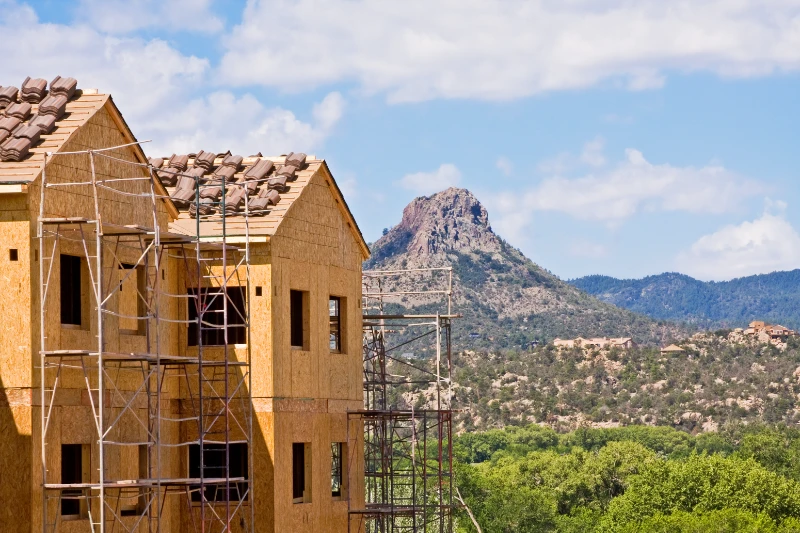
A construction home loan in Louisville, KY finances the building of a new residence through staged payments tied to completed work. At First Fidelity Mortgage, Inc, we help first-time buyers, move-up buyers, and veterans understand construction financing from the initial budget through the permanent mortgage. Because we were born and raised here, we bring practical local perspective to conversations about land, builders, permits, and project timelines.
Key Takeaways
- Purpose: Construction home loans can finance land acquisition, labor, materials, and other eligible costs associated with building a primary residence.
- Draw Process: Loan proceeds are released in stages after inspections confirm that specified construction milestones have been completed.
- Builder Review: The lender generally evaluates the builder’s licensing, insurance, experience, finances, and project documentation before closing.
- Appraisal: The property is usually appraised according to its expected completed value using the plans, specifications, contract, and comparable homes.
- Cash Requirements: Your required contribution depends on the construction home program, credit profile, land equity, property type, and total project cost.
- Local Planning: Louisville, KY construction home financing should account for permitting, utility access, site work, weather, and municipal inspection schedules.
Common Questions About Construction Home Loans
Construction financing differs from a standard purchase mortgage because the home does not yet exist in its completed form. These answers address the questions we most frequently hear from borrowers beginning the planning process.
- What does a construction home loan cover? Eligible expenses may include the lot, contractor labor, building materials, permits, site preparation, and approved soft costs. Coverage depends on the specific program and documented budget.
- Is this one loan or two loans? A construction-to-permanent loan may combine the construction phase and permanent mortgage in one closing, while a two-close structure requires separate construction and permanent loans. Each approach has different rate, cost, and requalification considerations.
- Do I make payments while the house is being built? Borrowers commonly make interest-only payments during construction based on the amount already disbursed, not the entire commitment. Payment structures vary, so the note and draw terms should be reviewed carefully.
- Can land equity count toward my contribution? It may, depending on how long you have owned the lot, existing liens, its appraised value, and program guidelines. A recent land purchase may be treated differently from property owned free and clear for several years.
- Can veterans finance new construction? Eligible veterans may be able to use a VA construction structure with an approved builder and qualifying project. Because lender participation and builder requirements vary, veterans should also review standard VA home loan options.
- Is a construction home mortgage available for renovations? Ground-up construction and renovation financing are not always the same product. Buyers improving an existing property may want to compare a construction loan with a dedicated rehab loan.
How Construction Home Loans Work
A construction home loan moves from borrower qualification and project review to closing, controlled draws, and permanent financing. The exact sequence varies by program, but most transactions follow these core steps.
- Review Your Financial Position: We examine your income, credit, debts, available cash, and any equity in the building lot. This helps establish a preliminary budget while leaving room for closing costs, reserves, and possible changes during construction.
- Select the Lot and Builder: You identify suitable land and choose an experienced, properly insured builder who can meet lender requirements. The builder typically submits credentials, references, a signed contract, and evidence of financial capacity.
- Complete the Project Package: The file must include detailed plans, specifications, allowances, cost breakdowns, and a realistic construction schedule. Incomplete selections can create appraisal problems because the appraiser needs to understand exactly what the finished house will include.
- Order the Appraisal and Underwriting: The appraisal estimates the home’s value as if construction were complete, while underwriting evaluates both you and the project. Approval remains subject to applicable loan, property, builder, title, and insurance requirements.
- Close and Begin Construction: After closing conditions are satisfied, funds are placed under draw controls rather than given to the builder as one lump sum. Work can then proceed according to the approved contract, permits, and schedule.
- Request Draws and Inspections: The builder requests money as defined stages are completed, such as the foundation, framing, mechanical systems, and finishes. An inspection generally confirms progress before each release, and title updates may be required to address potential mechanic’s liens.
- Finish and Convert the Financing: Final inspection, occupancy documentation, lien releases, and other completion items are collected before the construction phase ends. Depending on the structure, the loan then converts to permanent financing or is paid off through a separate mortgage, which may include a fixed-rate mortgage.
Is Construction Financing Right for You?
Construction financing may be appropriate when you want significant control over a home’s location, layout, materials, and accessibility features. It often works well for move-up buyers who have equity but cannot find the right existing property, veterans exploring an eligible VA construction path, and prepared first-time buyers with stable finances and a qualified builder. In our experience, borrowers have a more manageable process when they make design decisions early, maintain additional reserves, and understand that inspections control when the builder receives funds.
Buyers who need a predictable move-in date or have little room for cost overruns should seriously compare alternatives. Construction can involve change orders, material substitutions, appraisal constraints, or delays outside the borrower’s control. A completed home financed through a conventional mortgage may offer a simpler timeline, while qualifying borrowers could consider an FHA home loan for an existing property. Investors, owner-builders, and borrowers planning substantial work without a licensed general contractor may need a different program.
Construction Home Loan Costs and Fees
Construction home loans generally involve more project-related expenses than mortgages on completed homes. In addition to ordinary lender, title, appraisal, recording, and prepaid items, you may encounter plan reviews, draw administration, progress inspections, surveys, builder’s risk insurance, title updates, permit costs, and construction interest. Whether there is one closing or two can materially affect total expenses.
Down payment requirements vary by program and may be influenced by credit, occupancy, land equity, and the lower of the completed value or eligible project cost. Conventional construction financing often requires a larger contribution than some standard purchase programs, while FHA and VA construction structures may provide lower-down-payment paths for eligible borrowers and approved projects.
For example, on a $500,000 eligible project requiring 10% down, the initial contribution would be approximately $50,000. If closing costs and prepaid items were estimated at 3%, that could add roughly $15,000, producing an estimated $65,000 cash requirement before any separate reserves, non-eligible upgrades, or cost overruns.
Construction-phase pricing may be higher than permanent mortgage pricing because funds are advanced before there is a completed home securing the full balance. What we typically see is a planning-to-completion timeline of roughly 9 to 15 months, although custom design, site conditions, permitting, labor availability, and weather can extend it.
| Feature | Construction Home Loan | Completed-Home Mortgage |
|---|---|---|
| Funds | Released through inspected draws | Disbursed primarily at closing |
| Property Valuation | Based on plans and projected completed value | Based on the existing home |
| Payments | Often interest-only on funds drawn during construction | Regular principal-and-interest payments typically begin after closing |
| Extra Costs | May include inspections, draw fees, title updates, and builder’s risk coverage | Usually does not include construction administration expenses |
| Timeline | Driven by underwriting, permits, and the build schedule | Generally shorter because the home is complete |
Common Construction Loan Mistakes to Avoid
The most expensive construction mistakes usually come from incomplete planning, unrealistic budgets, or changes made after closing. Careful preparation can reduce disruption, although no construction schedule or final cost can be guaranteed.
- Using a Builder Before Confirming Eligibility: A strong reputation does not automatically mean a contractor meets the lender’s licensing, insurance, experience, or financial requirements. Confirm the review process before paying a large nonrefundable deposit.
- Leaving Major Items as Allowances: Low allowances for cabinets, flooring, appliances, or utility connections can make a budget appear workable while shifting substantial costs to you later. Obtain realistic bids and document what each allowance includes.
- Ignoring Site and Utility Costs: A reasonably priced lot may require expensive grading, drainage work, rock removal, septic approval, or utility extensions. These expenses can affect both the project budget and appraised feasibility.
- Making a Large Change After the Appraisal: For example, adding a $40,000 finished basement after closing does not mean the appraised value or loan amount will rise by $40,000. If the change is not eligible for additional financing, you may have to pay for it from documented funds.
- Spending Required Reserves: Purchasing furniture or a vehicle during the build may reduce assets or increase monthly debt before permanent financing is finalized. In a two-close transaction, financial changes can be especially important because you may need to qualify again.
- Overlooking the Rate Structure: A one-time-close program may handle permanent pricing differently from a two-close loan. Review expiration dates, extension charges, conversion conditions, and whether permanent terms are locked or determined later.
Local Considerations for Louisville, KY
Local land conditions, permitting jurisdictions, and neighborhood development patterns can directly affect a Louisville construction project. Infill building in Crescent Hill or the Highlands may involve narrow lots, demolition restrictions, mature trees, and design considerations that differ from larger new-construction sites near Eastwood or Fern Creek. Properties outside the urban core may also require closer review of septic systems, drainage, utility access, and road frontage.
Jefferson County permits and inspections should be incorporated into the builder’s schedule, while spring rain and freeze-thaw conditions can affect excavation and concrete work. The area’s employment base—including health care systems, UPS logistics operations, manufacturing, and Ford-related automotive employment—also creates borrowers with overtime, shift differentials, bonuses, or variable schedules that must be documented correctly during underwriting.
Ready to Discuss Your Construction Plans?
We can help you compare construction financing with conventional, FHA, and VA alternatives based on your budget, builder, lot, and expected timeline. Get started with First Fidelity Mortgage, Inc (NMLS #940549) today by using our Get Started form. We will take the time to discuss the draw process, documentation requirements, potential costs, and trade-offs before you decide how to proceed.
This is educational content and not financial advice. Loan programs and guidelines can change. Talk with a licensed mortgage professional about your specific scenario.
Get started today!
Fill out the questionnaire on this page to start a discussion about your mortgage needs today!