Finding the right mortgage for your expanding needs can feel confusing—especially if you’re balancing a…
Conventional vs FHA Loans: How Louisville Homebuyers Can Choose the Right Option
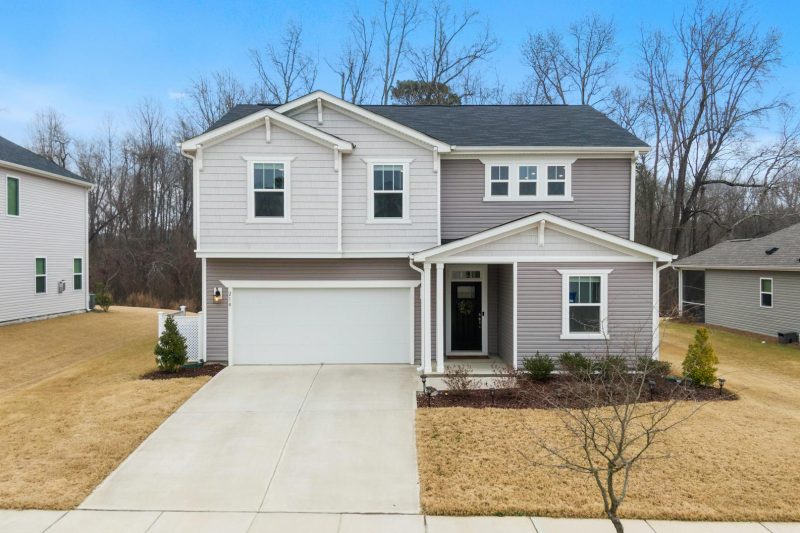
Deciding between loan options can feel daunting—especially if you’re not sure how requirements and benefits stack up. Choosing between a conventional loan and an FHA loan means comparing differences in credit requirements, down payment minimums, mortgage insurance rules, and long-term costs. In this guide, we’ll break down what makes each option unique, who each is best suited for, and how to think about your decision as a homebuyer in Louisville, KY.
Key Takeaways
- Purpose: Conventional and FHA loans are two of the most common options for homebuyers in Louisville, each designed to fit different financial situations.
- Eligibility: Conventional loans generally require stronger credit and higher down payments, while FHA loans are more flexible for those with lower credit or a smaller down payment.
- Costs: Both loan types offer competitive rates, but mortgage insurance costs and rules differ significantly.
- Best For: Move-up buyers and those with strong credit may benefit from conventional loans; first-time buyers and those with limited funds or lower credit can often qualify for FHA loans.
Quick Answers
- What’s the main difference between conventional and FHA loans? Conventional loans are not backed by the government and have stricter credit and income requirements, while FHA loans are government-insured and designed to be more accessible, especially for those with lower credit scores or limited down payments.
- Can first-time homebuyers use either loan? Yes—both options are available to first-time homebuyers. FHA loans are particularly popular with first-time buyers due to their flexible criteria.
- Does conventional always cost less overall? Not necessarily—costs depend on your credit profile, down payment, and loan size. Depending on your scenario, the long-term costs of mortgage insurance may influence which option is better.
- Are these loans available in Louisville? Absolutely, and at First Fidelity Mortgage, Inc (NMLS# 940549), we routinely help local borrowers assess both options for their unique situation.
What Is a Conventional Loan?
A conventional loan is a mortgage that is not insured or guaranteed by the federal government. These loans typically follow guidelines set by Fannie Mae and Freddie Mac, including limits on loan size and borrower requirements. To qualify for a conventional loan, you generally need a stronger credit profile and a stable, documented income. Most conventional loans also require a down payment—often at least 3% for first-time buyers, but larger down payments can lower monthly costs.
Key Features of Conventional Loans
- Not government-backed: Buyers take on more risk, but may reap rewards like lower mortgage insurance over time.
- Private mortgage insurance (PMI): Required if your down payment is under 20%, but can be canceled when you reach a certain level of equity.
- Flexibility: Available for primary homes, second homes, and investment properties.
- Loan limits: Cannot exceed conforming limits set by county; in Louisville, check current guidelines for the exact numbers.
What Is an FHA Loan?
An FHA loan is a mortgage insured by the Federal Housing Administration and designed to expand access to homeownership. FHA loans allow for a lower minimum down payment and more flexibility with credit scores compared to most conventional loans. However, they have their own requirements for mortgage insurance and property standards.
Key Features of FHA Loans
- Government-backed: FHA insures the loan, allowing lenders to offer flexible terms even to those with modest credit histories.
- Mortgage Insurance Premium (MIP): Required on all FHA loans regardless of down payment, typically paid both up front and monthly.
- Minimum down payment: Usually 3.5% with qualifying credit.
- Property requirements: The home must meet specific safety and livability standards set by the FHA.
Conventional vs FHA Loans: Louisville Comparison Table
| Feature | Conventional Loan | FHA Loan |
|---|---|---|
| Minimum Down Payment | Typically 3% (first-time), more for others | 3.5% (if eligible) |
| Credit Requirements | Higher (usually mid-600s or above) | Flexible (can be lower) |
| Mortgage Insurance | Required if down < 20%; can be removed later | MIP required for all; may last for the life of the loan |
| Property Types | Primary, secondary, investment | Primary residence only |
| Loan Limits | Conforming limits (varies by county) | FHA limits (check Louisville/KY limits) |
When to Consider a Conventional Loan
Conventional loans can be a smart choice for Louisville-area buyers who:
- Have strong credit and a stable income
- Can make a larger down payment (over 20% means no PMI)
- Want the possibility of removing mortgage insurance once equity grows
- Are buying a second home or an investment property
Borrowers who qualify may enjoy lower long-term costs, especially if they can avoid or cancel private mortgage insurance. If you’re a move-up buyer able to leverage equity from your existing home, a conventional loan may be even more accessible.
When Does an FHA Loan Make Sense?
FHA loans are designed to open more doors for buyers who may not qualify for conventional financing. You may want to consider an FHA loan if you:
- Have limited savings for a down payment
- Have a lower credit score or past credit events
- Are a first-time buyer who needs flexible qualification guidelines
Keep in mind, FHA loans require mortgage insurance regardless of down payment, and this may stay in place for the life of the loan depending on your down payment size. However, they can be invaluable for getting into a home—and refi options exist down the road if your situation improves.
Additional Factors to Think About
- Monthly payment: Compare total monthly costs including principal, interest, taxes, insurance, and any required mortgage insurance.
- Upfront costs: While down payment minimums matter, don’t forget about closing costs, which can include appraisal, origination, and other fees.
- Refinance potential: With either loan type, you may be able to refinance in the future if rates drop or your finances improve—discuss scenarios with your lender.
- Property requirements: FHA has stricter guidelines for home condition and appraisals, which can matter in Louisville’s diverse housing stock.
How to Decide: Step-by-Step Guide
- Check your credit and savings. Pull your credit report and get a sense of your down payment ability.
- Estimate purchase price and monthly budgets. Know what’s affordable and sustainable within your means.
- Get pre-approved with both options. Work with your lender to compare pre-approval scenarios for both FHA and conventional options—see how rates and payments stack up.
- Review your mortgage insurance timing and costs. See how long you’d pay mortgage insurance for each scenario.
- Discuss pros and cons with a trusted advisor. Jump on a call with your loan officer to talk through all variables, including any special programs you may be eligible for.
Local Louisville Guidance and Support
Whether you’re upgrading to a larger home, buying for the first time, or seeking flexible FHA terms, Louisville’s real estate market offers many opportunities. Demand and inventory can shift quickly, so getting pre-approved and clarifying your loan options is one of the most important early steps.
The team at First Fidelity Mortgage, Inc (NMLS# 940549) specializes in guiding clients through this decision-making process—bringing local insight and 21 years of experience to every conversation.
Ready to Compare Your Options?
Curious which loan is right for your situation? At First Fidelity Mortgage, Inc, we’re happy to run detailed pre-approval scenarios for Louisville homebuyers—side-by-side, with no pressure. Call, text, or email us any time to review your current finances, explore loan programs, and map out your next steps toward a smooth home purchase. The best way to gain confidence is to see your numbers in advance and plan pre-approval with personalized guidance.
Frequently Asked Questions
Can I switch from an FHA loan to a conventional loan later?
Yes, many borrowers start with an FHA loan and refinance into a conventional loan later when their credit improves or they build equity. This can help eliminate ongoing mortgage insurance premiums, subject to qualification.
What credit score do I need for each loan type?
Conventional loans generally require a higher credit score, typically in the mid-600s or above, while FHA loans allow for more flexibility and may accept lower scores. Requirements can vary by lender and current guidelines, so it’s best to check with a mortgage advisor.
Does mortgage insurance work differently for FHA and conventional loans?
Yes. FHA loans require both upfront and monthly mortgage insurance premiums for most borrowers, often lasting the full loan term. Conventional loans require private mortgage insurance if your down payment is less than 20%, but this can be removed as you build equity.
Are there official loan limits for FHA and conventional loans in Louisville?
Yes, both FHA and conventional (conforming) loans are subject to loan limits, which vary by county and are updated periodically. Your maximum loan amount depends on these local limits—your loan advisor can help you check current numbers for Louisville and Kentucky.
Do either FHA or conventional loans have restrictions on property type?
FHA loans are only for primary residences and have strict property condition guidelines. Conventional loans are available for primary homes, second homes, and certain investment properties, with more flexibility regarding property type and condition.
This is educational and not financial advice. Loan programs and guidelines can change. Talk with a licensed mortgage professional about your specific scenario.

About the Author
Matthew Ansert
Senior Mortgage Advisor at First Fidelity Mortgage, Inc · NMLS #39241
A Louisville native; he graduated from St Xavier High School and University of Louisville with a major in Accounting. Soon after graduating he started his career as a mortgage loan originator and now has over 20 years’ experience in the industry.
Specializes in: Conventional, FHA, VA
Licensed in: FL, IN, KY
Related Posts