Investing in real estate can be rewarding, but navigating unique loan options like DSCR mortgages…
DSCR Loans: How Real Estate Investors Can Qualify Without Traditional Income Proof
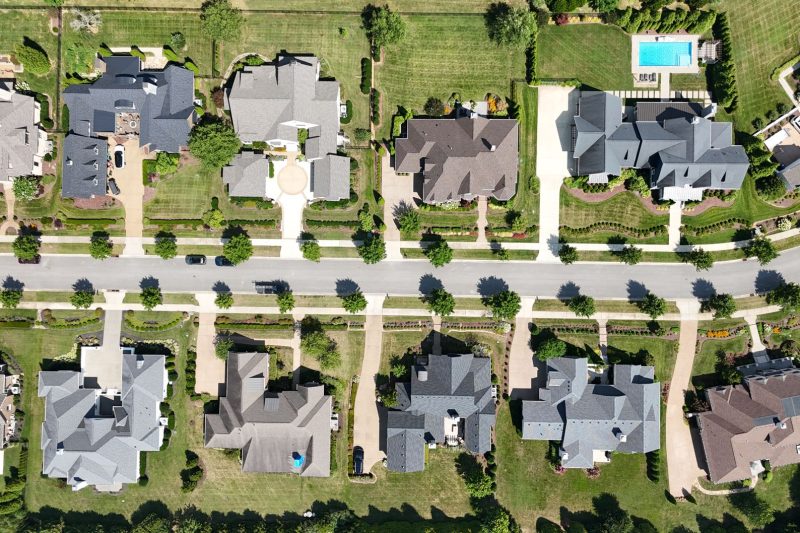
Investing in rental properties in Louisville, KY, is full of opportunity, but finding the right financing can be confusing—especially if you can’t document regular employment income. A DSCR loan is an investment property mortgage that uses the property’s expected rental income, not your personal income, to determine eligibility. In this article, you’ll learn what DSCR loans are, how they work, who they benefit, and the key requirements for qualifying as a local real estate investor.
Key Takeaways
- Purpose: DSCR loans are designed for real estate investors to qualify based on expected rental income from the property, not personal income documentation.
- Qualification: Lenders typically review your credit, down payment, and the property’s Debt Service Coverage Ratio (DSCR), not W-2s or tax returns.
- Timeline: DSCR loans often move faster than traditional mortgages, with a process that can be completed in a few weeks.
- Best For: Real estate investors—especially those with non-traditional income or multiple properties—seeking flexible qualification.
Quick Answers: Common DSCR Loan Questions
- What is a DSCR loan? A DSCR (Debt Service Coverage Ratio) loan is an investment property mortgage that qualifies you primarily on the property’s projected rental income rather than your personal earnings.
- Who can use a DSCR loan? Real estate investors—including first-time, move-up, or portfolio investors—can use DSCR loans for income-producing properties.
- Is personal income or employment required? No, most DSCR loans do not require personal income verification, making them popular with self-employed or cash flow-focused investors.
- How do lenders determine the loan amount? Lenders look at the property’s estimated or actual rental income versus the mortgage payment (principal, interest, taxes, insurance, and HOA, if applicable) to calculate the DSCR ratio.
What Is a DSCR Loan?
DSCR stands for Debt Service Coverage Ratio. This ratio measures how much rental income a property generates compared to its debt payments. In short, a DSCR loan lets investors qualify for a mortgage based on the income the property is expected to produce—not their personal paystubs, W-2s, or tax returns. This offers flexibility to investors who may have complex or variable income streams.
The team at First Fidelity Mortgage, Inc (NMLS# 940549) routinely works with local Louisville investors who use DSCR loans for single-family homes, condos, multi-units (typically up to four units), and even short-term rental properties.
How Do DSCR Loans Work?
Lenders calculate the Debt Service Coverage Ratio by dividing the property’s gross rental income by its total monthly mortgage payment (including taxes, insurance, and any HOA fees). Each lender may have different minimum ratio requirements, but generally speaking:
- If the property produces enough income to cover—or nearly cover—the all-in mortgage payment: You’re typically eligible for the loan, subject to meeting credit and down payment guidelines.
- If the property doesn’t fully cover the mortgage payment: Approval may still be possible, depending on the lender’s policies, your overall financial picture, and your investment experience.
No personal income documentation is usually required for DSCR mortgage underwriting. Instead, you’ll provide a lease agreement (if rented) or a rental market analysis (if the property is vacant or newly acquired).
Main Benefits of DSCR Loans for Investors
- Flexible Income Qualification: No need for tax returns or paystubs—qualification is based on property performance.
- Fast, Streamlined Process: Without complex income verification, application and approval can move quickly.
- Available for Multiple Properties: DSCR programs are ideal for investors growing a rental portfolio.
- Usage for Long-Term or Short-Term Rentals: Both traditional and vacation/short-term rental properties may be eligible, depending on lender guidelines.
Eligibility & Key DSCR Loan Requirements
Every lender has their own specific guidelines, but these are the most common requirements for DSCR investment property mortgages:
- Down Payment: Generally higher than for owner-occupied homes, often 20% or more. Verify current minimums as guidelines can change.
- Credit Score: Most DSCR loans have minimum score requirements, but investors with solid rental property performance may have options even if credit isn’t perfect.
- DSCR Ratio: Lenders often look for a DSCR where rental income is equal to or slightly less than the mortgage payment, but some programs accept lower ratios.
- Property Type: Eligible properties usually include single-family homes, townhomes, condos, and small multi-unit buildings. Some lenders allow short-term and vacation rentals; others restrict to long-term leases.
- Loan Documentation: Instead of personal financials, expect to provide lease agreements, appraisal with rental market analysis, and property insurance quotes.
DSCR vs. Traditional Investment Property Loans
| Feature | DSCR Loan | Traditional Investment Property Loan |
|---|---|---|
| Income Verification | Rental income from property used (little or no personal income paperwork required) |
Personal income, tax returns, W-2s required |
| Property Types | 1-4 units, some condos/townhomes, some short-term rentals | Typically 1-4 units, condos, sometimes multi-family |
| Down Payment | Often 20% or higher (varies by lender and credit) |
Typically 15-25%, varies by loan type and underwriting |
| Loan Programs | Non-QM / Specialty investor mortgages | Conventional, FHA, sometimes VA/USDA where eligible |
Is a DSCR Loan Right for You?
Consider a DSCR mortgage if:
- You want to qualify for rental property financing based on the property’s potential cash flow—not your job or tax returns.
- Your income is difficult to document (self-employed, multiple businesses, cash flow from various sources).
- You’re expanding a portfolio and want flexible qualifying across multiple properties in Louisville or beyond.
- You own or plan to buy short-term or vacation rentals (if allowed by the lender’s guidelines).
DSCR loans are not for primary residences or second homes—they are strictly for business purposes with investment properties. Speak with a mortgage advisor about eligibility, property types, and acceptable documentation for your scenario.
The DSCR Loan Process in Louisville, KY
While the exact steps can differ by lender, here’s how the process usually works for Kentucky investors:
- Initial Consultation: Discuss your investment goals and property scenario with a qualified mortgage advisor.
- Loan Application: Complete a mortgage application and gather required documents (property info, lease/rent comps, credit authorization).
- Property Appraisal and Rental Analysis: A specialized appraisal will include a market rent estimate or analysis of existing lease income.
- Underwriting: The lender reviews credit, down payment funds, and the DSCR ratio.
- Approval & Closing: Once approved, you’ll sign documents and close on your investment property—sometimes within a few weeks from start to finish.
DSCR Loan Considerations & Risks
It’s important to understand that:
- Rates and Terms: DSCR loans often carry higher interest rates and closing costs than traditional mortgages due to reduced documentation and flexibility. Rates and fees vary, so review all terms carefully.
- Down Payment & Reserves: Higher down payments or cash reserves may be needed, depending on your credit and the property’s performance.
- DSCR Requirements Can Change: Minimum coverage ratios, credit guidelines, and eligible property types can shift based on market conditions and lender risk profiles.
- Investment Risk: If the property does not generate projected rental income, you are still responsible for the mortgage. Run conservative projections and be prepared for vacancies or maintenance needs.
Start Your DSCR Loan Conversation
If you’re a real estate investor in Louisville, KY, and want to explore the DSCR loan option, our team is here to help. Call, text, or email to review your scenario—whether you’re new to investing, building your portfolio, or transitioning to more flexible loan solutions. We’ll help you compare options, understand property eligibility, and plan your next steps so you can secure pre-approval and move forward with confidence.
Frequently Asked Questions
Can I use a DSCR loan to buy a primary residence?
No, DSCR loans are strictly for investment properties and cannot be used to finance primary residences or second homes. They are designed for borrowers purchasing or refinancing income-producing properties.
What debt service coverage ratio do I need to qualify?
Each lender sets their own minimum DSCR requirement, but many programs look for ratios between 1.0 and 1.25. Some may allow lower ratios depending on other factors, so always confirm current guidelines for your scenario.
Do I need existing tenants for a DSCR loan?
No, you can use projected rental income from a market rent analysis if the property is vacant or newly purchased. Existing leases, if available, are also accepted for verification.
Are short-term rentals eligible for DSCR loans?
Many DSCR programs allow short-term or vacation rental properties, though requirements may vary and some lenders have restrictions. Discuss your plans with your mortgage advisor to determine eligibility.
How quickly can I close a DSCR loan?
Many DSCR loans can be closed in a few weeks, depending on appraisal timelines and document submission. Actual timing depends on the complexity of your deal and the lender's workflow.
This is educational and not financial advice. Loan programs and guidelines can change. Talk with a licensed mortgage professional about your specific scenario.

About the Author
Matthew Ansert
Senior Mortgage Advisor at First Fidelity Mortgage, Inc · NMLS #39241
A Louisville native; he graduated from St Xavier High School and University of Louisville with a major in Accounting. Soon after graduating he started his career as a mortgage loan originator and now has over 20 years’ experience in the industry.
Specializes in: Conventional, FHA, VA
Licensed in: FL, IN, KY
Related Posts