Buying a home with little or no down payment can seem out of reach, especially…
USDA Loans in Louisville: Who Qualifies and What to Expect
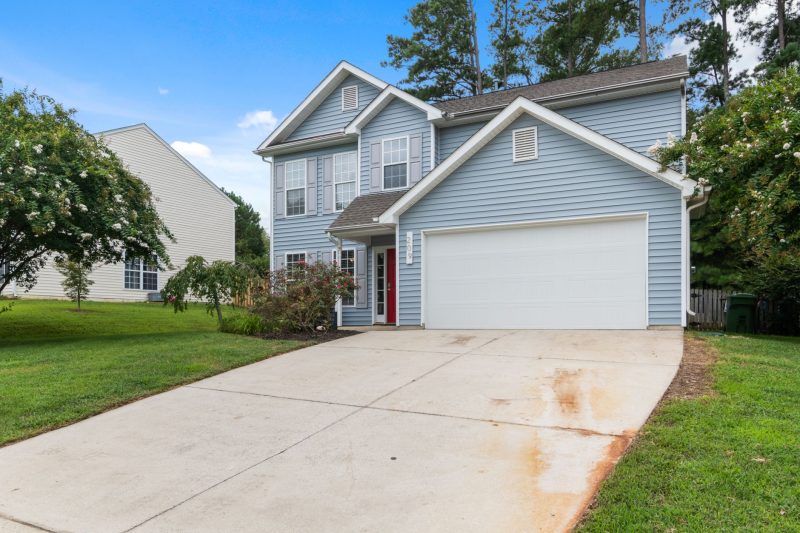
Buying a home outside of downtown Louisville can offer more space and peace, but figuring out how to qualify for special rural financing programs isn’t always straightforward. USDA loans are government-backed mortgages designed to help eligible buyers purchase a home in designated rural and suburban areas with no down payment required. In this article, we’ll explain what USDA loans are, who can qualify in the Louisville area, what to expect from the process, and how you can prepare to apply.
Key Takeaways
- Purpose: USDA loans are meant to make homeownership more accessible in eligible rural and suburban areas, typically with no down payment required.
- Eligibility: Buyers must meet property location, income, and credit guidelines set by the USDA and lenders.
- Process Timeline: The loan process often takes a few weeks but can vary based on documentation and review times.
- Best For: Homebuyers seeking to purchase in USDA-eligible areas who want little or no money down and competitive fixed rates.
Quick Answers: USDA Loans in Louisville
- Do USDA loans require a down payment? No, USDA loans typically allow eligible buyers to purchase with no down payment.
- Where can I buy with a USDA loan near Louisville? Most homes located outside of Louisville’s urban core, in eligible suburban and rural communities, may qualify—guidelines are area-specific.
- Are there income limits for USDA loans? Yes, household income cannot exceed the limits set for your area and household size; these limits update regularly.
- Can first-time buyers use USDA loans? Absolutely, though you don’t have to be a first-time buyer to qualify if you meet other program requirements.
- What types of properties qualify? USDA loans are for primary residences—single family homes, planned-unit developments, and some townhomes in eligible areas. Investment and vacation properties aren’t allowed.
What Is a USDA Loan?
A USDA loan is a mortgage program backed by the U.S. Department of Agriculture, designed to promote homeownership in designated rural and select suburban communities. The main appeal is often the ability to buy with no down payment and typically competitive interest rates. USDA loans are a great option for first-time buyers, families moving up, and anyone looking for an affordable way to buy a primary residence just outside the Louisville city limits.
The team at First Fidelity Mortgage, Inc (NMLS# 940549) specializes in helping qualified borrowers in the Louisville area navigate the USDA loan process, from checking property eligibility to submitting your application for approval.
Who Qualifies for a USDA Loan?
USDA loans are available to buyers who meet all of the following requirements:
- Location: The home must be in a USDA-eligible area (outside central cities, in approved suburban or rural communities). Most of the Louisville metro outskirts and nearby counties have eligible regions—ask us to double-check your address or area of interest.
- Income Limits: Your total household income (not just the borrowers) cannot exceed the USDA’s posted limits for the area and household size. These limits vary by county and are updated each year, so it’s important to verify based on your current situation.
- Occupation: There are no occupation restrictions. However, all income sources must be documented and verified.
- Credit: While credit score minimums may vary by lender, most programs look for a score of at least the mid-600s. However, other factors such as payment history, savings, and low debt can help if your score is just below this range.
- Property Use: The loan must be for a primary residence—no second homes, investment properties, or vacation homes allowed.
Borrowers do not have to be first-time buyers, but you typically cannot own another home at the time of purchase unless certain exceptions apply. Always check with your loan advisor about current guidelines.
USDA-Eligible Areas Around Louisville
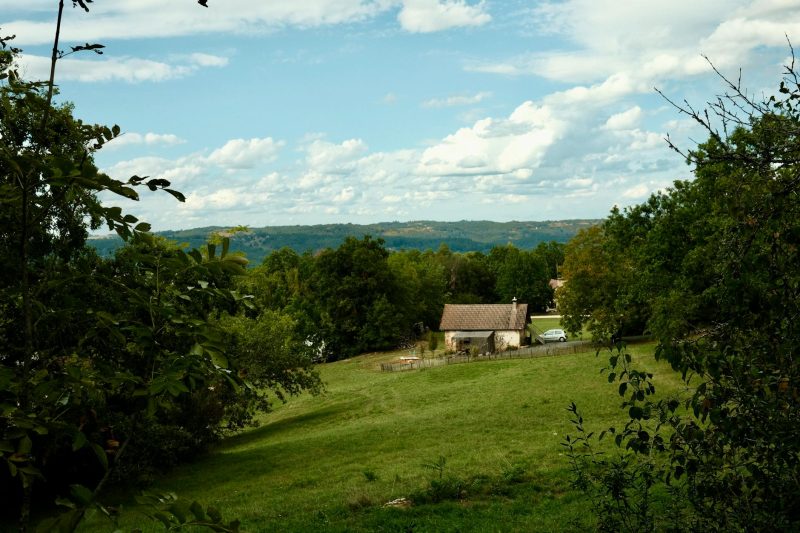
Many communities just outside the urban center of Louisville are USDA-eligible, including portions of Jefferson, Bullitt, Spencer, Shelby, and Oldham Counties. Eligible areas are mapped by the USDA and can change over time. If you’re considering a property on the edge of town or in a nearby suburb, let us help you determine if it qualifies for USDA financing.
Pro Tip: The USDA property eligibility map is publicly available, but rules can be complex and areas can change, so double-check with a knowledgeable local lender for the most current info before you get too attached to a property.
How Does the USDA Loan Process Work?
- Pre-Qualification: Speak with a mortgage advisor—like our team—to review your credit, income, and area of interest. We’ll help identify if USDA is a good fit and which areas meet the eligibility map.
- Application and Documentation: Submit a full loan application along with proof of income, tax returns, credit reports, and other required documents. Lenders will review all household income for eligibility calculations.
- Property Selection: Shop for homes in USDA-eligible areas. Once you’re under contract, the home will be verified for eligibility and appraised.
- Processing and Approval: Your file is processed, including verification of eligibility, assets, income, and property condition. The lender may submit your file to the USDA for a final sign-off, which can add to the timeline.
- Closing: Once final approval is granted, you’ll sign closing documents, pay any agreed-upon closing costs, and take ownership of your new home.
The entire process can take a few weeks to complete, depending on documentation and both lender and USDA approval times. It’s important to keep in close contact with your advisor for status updates.
USDA Loan Features vs. Other Loan Programs
| Feature | USDA | FHA | Conventional | VA |
|---|---|---|---|---|
| Down Payment | No down payment required | 3.5% minimum | 3% minimum (for qualified borrowers) | No down payment required (for eligible veterans) |
| Property Location | Rural and certain suburban areas only | Any area | Any area | Any area (for eligible veterans) |
| Income Limits | Yes, by area/household size | No | No (some programs for low/moderate incomes) | No |
| Mortgage Insurance | Required (guarantee fee and monthly fee) | Required (upfront MIP and monthly MIP) | May be required for <20% down | Funding fee typically applies; no monthly MI |
| Who Can Apply | Any eligible homebuyer (income/location limits) | Any eligible homebuyer | Any eligible homebuyer | Eligible veterans, active military, and some others |
Steps to Get Started with a USDA Loan
- Reach out to a mortgage advisor: We can quickly help you check eligibility and discuss whether a USDA loan is a fit based on your goals and the areas you are considering.
- Review your financials: Gather pay stubs, W-2s or 1099s, tax returns, and asset statements. This helps us verify income and prepare your application.
- Check property eligibility: Have a specific address or neighborhood in mind? We’ll confirm if it meets USDA area requirements before you fall in love with a home.
- Get pre-approved: Pre-approval will help you make offers with confidence, knowing what you can afford and that you’re already a step ahead in the process.
Why Many Louisville Buyers Consider USDA Loans
USDA loans are often appealing for their no-down-payment option, competitive fixed rates, and flexible qualification standards. They’re especially useful for first-time buyers, individuals moving up into larger homes, and anyone wanting affordable financing just outside the city. Many communities around Louisville have seen growth thanks to USDA’s support for accessible homeownership, making it a viable alternative to FHA and conventional programs for qualifying households.
Your Next Steps
Wondering if a USDA loan is right for your scenario? Our team has 21 years of experience helping buyers finance homes across the Louisville area and surrounding counties. Whether you’re just starting to explore your options or ready to get pre-approved, we’re here to guide you every step of the way.
Call, text, or email us today to review your situation, compare your loan options, and understand what it takes to get pre-approved for your next home. Planning ahead with pre-approval ensures you know your budget, strengthens your offers, and helps you shop with confidence.
Frequently Asked Questions
Can I use a USDA loan for a condo or a manufactured home?
USDA loans may be used for certain condos and manufactured homes, but the property must meet specific guidelines set by the USDA and the lender. Not every condominium or manufactured home will qualify, so it’s important to check eligibility with a knowledgeable mortgage advisor.
What are the closing costs for a USDA loan?
Closing costs for USDA loans are similar to other loan types and may include lender fees, appraisal, title, and escrow charges. Sellers can contribute towards your closing costs, and sometimes funds can be financed into the loan if the appraised value allows. Exact costs vary by property and scenario.
Is there mortgage insurance on USDA loans?
Yes, USDA loans require both an upfront guarantee fee and a reduced monthly fee that helps support the program. These amounts are typically less than those required for FHA loans, but they do add to your monthly payment. Check with your advisor for the current structure and guidelines.
Can I refinance a USDA loan later?
USDA loans come with options to refinance in the future, typically through streamlined or standard USDA refinance programs. Refinancing may help you secure a better rate, lower your payment, or remove a co-borrower, depending on your situation. Discuss your options with your mortgage advisor when the time is right.
Can I buy a fixer-upper with a USDA loan?
USDA loans are generally for move-in-ready homes. There are limited options for repair-related financing, so if you’re interested in a rehab or renovation project, ask us about possible solutions, such as FHA 203(k) or specialty renovation loans.
This is educational and not financial advice. Loan programs and guidelines can change. Talk with a licensed mortgage professional about your specific scenario.

About the Author
Matthew Ansert
Senior Mortgage Advisor at First Fidelity Mortgage, Inc · NMLS #39241
A Louisville native; he graduated from St Xavier High School and University of Louisville with a major in Accounting. Soon after graduating he started his career as a mortgage loan originator and now has over 20 years’ experience in the industry.
Specializes in: Conventional, FHA, VA
Licensed in: FL, IN, KY
Related Posts