
USDA Home Loans in the Louisville, KY Area
USDA Guaranteed loans may help eligible buyers finance a primary home with no down payment. Household income, repayment ability, and the property’s location must meet program requirements.
Loan availability and terms depend on borrower and property qualifications.
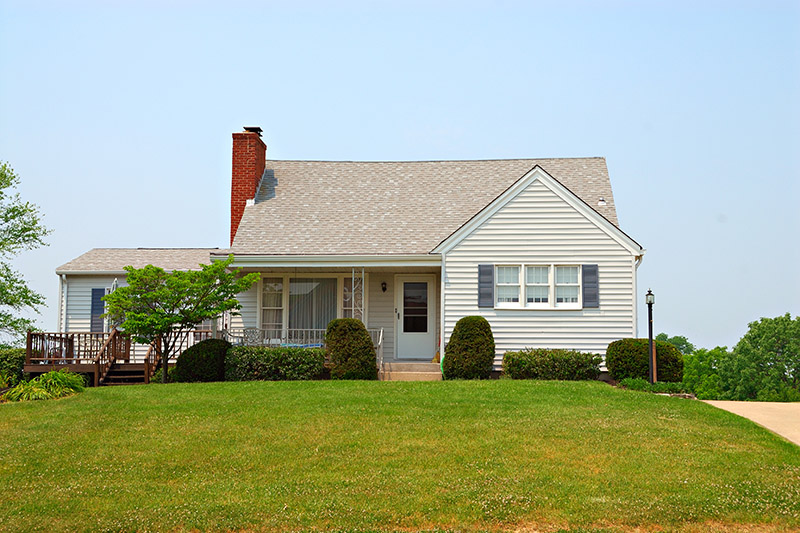
Start with the life you want to build.
Start with the place you want to call home.
Explore the property, household, and cost considerations that matter for USDA financing.
Understanding USDA Loans for Louisville, KY Buyers
A USDA loan in Louisville, KY is a government-backed mortgage that may allow an eligible buyer to purchase a qualifying primary residence with no down payment. At First Fidelity Mortgage, Inc, we help borrowers evaluate household income, property location, credit, and overall affordability before choosing the USDA program. Our Louisville office can help you review the borrower and property information needed for a USDA eligibility check.
Key Takeaways
- Zero Down Payment: USDA loans may finance 100% of the purchase price when the borrower, property, and transaction meet program requirements.
- Geographic Eligibility: The home must be located within an area shown as eligible on the current USDA property map.
- Household Income Limits: USDA reviews income from applicable household members, and current limits vary by location and household size.
- Primary Residence Requirement: The USDA mortgage program is intended for an owner-occupied home rather than an investment property, vacation home, or working farm.
- Program Fees: Borrowers generally pay an upfront guarantee fee and an annual fee, with amounts determined under the applicable USDA fiscal-year guidance.
- Property Standards: The appraisal must support the value and confirm that the home meets USDA requirements for safety, soundness, and residential use.
Common Questions About USDA Loans
USDA loans combine zero-down-payment financing with income, occupancy, and property-location rules. The USDA Guaranteed program requires a separate review of household eligibility and repayment ability.
- Does USDA require a down payment? USDA Guaranteed loans generally permit 100% financing of an eligible purchase price, although you may still need funds for closing costs, prepaid expenses, inspections, or an earnest-money deposit.
- Does the City of Louisville qualify? Eligibility is determined address by address using the current USDA map. Many urban addresses are ineligible, while some properties farther from the city center or in surrounding counties may meet the geographic requirement.
- Is there a minimum credit score? USDA does not reduce eligibility to one universal credit-score number, although lenders may use score requirements or overlays. Credit history, recent housing payments, collections, and the automated underwriting result can all affect the review.
- Whose income counts toward the limit? Income-limit calculations may include income from adult household members even when someone is not a borrower on the mortgage. USDA also distinguishes household eligibility income from the repayment income used to determine whether the borrowers can manage the payment.
- Can a first-time buyer use this program? Yes. First-time status is not required, but buyers who need help comparing education, budgeting, and financing resources can review our first-time homebuyer resources.
- Can a veteran choose USDA instead of VA? A veteran may consider either program, but VA financing can provide zero-down-payment eligibility without USDA geographic or household-income limits. Eligible service members should compare the USDA program with our VA home loan program.
How USDA Loans Work
A USDA purchase moves from borrower and address screening through lender underwriting, appraisal, USDA review, and closing. Completing the eligibility checks early can reduce the risk of pursuing a property that does not meet program rules.
- Review Your Financial Profile: We begin with your income, employment, assets, debts, credit history, and estimated housing budget. This is also the time to discuss changes such as a new job, variable overtime, self-employment, or another adult moving into the household.
- Calculate Household Eligibility: We identify the people who will occupy the home and document applicable household income under current USDA rules. Certain permitted deductions may affect the final calculation, so household eligibility is more detailed than simply adding the borrowers’ salaries.
- Check the Property Area: Before you rely on USDA financing, the specific address should be checked against the current eligibility map. A mailing address, ZIP code, or rural appearance alone does not establish eligibility because boundaries can divide nearby streets.
- Complete the Application: After reviewing potential eligibility, you submit a mortgage application and supporting documentation. Prequalification is not loan approval, but it can help you establish a practical price range and understand conditions that may need attention.
- Evaluate the Home: Once you have a signed purchase contract, an approved appraiser assesses market value and property condition. Repairs may be required when an issue affects safety, structural soundness, sanitation, or the home’s ability to function as a year-round residence.
- Finish Underwriting and USDA Review: The lender verifies the file and resolves conditions involving income, assets, credit, title, insurance, and appraisal findings. The transaction must also receive the required USDA commitment, and processing time can depend on file complexity and current agency workload.
- Prepare for Closing: You receive final disclosures showing the interest rate, payment, financed guarantee fee, cash needed, and other terms. After required waiting periods and remaining conditions are satisfied, you sign the closing documents and complete the purchase.
Who May Benefit From a USDA Mortgage?
A USDA mortgage may be a good fit for an eligible buyer who plans to occupy a modest residential property in a qualifying area and wants to preserve cash. First-time buyers may appreciate the lack of a required down payment, while move-up buyers may use the program if they meet the current household-income rules and satisfy USDA’s restrictions on retaining another dwelling. Borrowers who already own a home should disclose it early. USDA permits retention of another dwelling only when its specific conditions are satisfied; a mortgage professional must review the details.
Borrowers should consider alternatives when USDA’s location, income, occupancy, or property rules conflict with their plans. An FHA home loan may be worth reviewing for an urban property or a buyer needing different underwriting flexibility, while a conventional mortgage may provide more flexibility for higher household income, second homes, or certain property types. Buyers focused primarily on minimizing their initial investment can also compare USDA with our broader low down payment purchase options.
USDA Mortgage Costs, Fees, and Timing
USDA financing can eliminate the required down payment, but it does not eliminate the cost of buying and financing a home. Typical expenses include lender and title charges, appraisal and inspection costs, recording fees, prepaid homeowners insurance, property-tax escrows, and prepaid interest. Seller credits may cover permitted costs when negotiated in the contract, subject to current USDA rules and the details of the transaction.
Request an itemized Loan Estimate to understand closing costs, prepaid expenses, and cash needed for the proposed transaction. In some transactions, eligible costs may be financed when the appraised value exceeds the purchase price, but the final loan cannot exceed applicable program and appraisal limits.
USDA interest rates are often competitive with other government-backed mortgages, but pricing depends on market conditions, credit, loan structure, and other risk factors. The upfront guarantee fee is commonly financed, while the annual fee is generally collected monthly; borrowers should verify the applicable fiscal-year fee amounts on their Loan Estimate. USDA closings may follow a standard purchase timeline, although appraisal repairs or agency-review volume can extend the process.
| Feature | USDA Loan | FHA Loan | Conventional Loan |
|---|---|---|---|
| Minimum Down Payment | Generally 0% | Generally 3.5% for eligible borrowers | May start around 3% for eligible programs |
| Geographic Restriction | USDA-eligible areas only | No USDA map restriction | No USDA map restriction |
| Income Limit | Household limits apply | No program household-income cap | Usually no general income cap |
| Mortgage-Related Charge | Upfront and annual guarantee fees | Upfront and annual mortgage insurance | Private mortgage insurance may apply |
| Eligible Occupancy | Primary residence | Primary residence | Varies by program and property use |
Common Mistakes to Avoid With USDA Loans
Checking income or property eligibility late can create avoidable financing problems. Careful planning matters because a change involving the household, property, or source of funds can affect underwriting.
- Relying on a ZIP Code: USDA eligibility is tied to the specific property address, not a general city name or ZIP code. Two homes located only a short distance apart can fall on opposite sides of an eligibility boundary.
- Leaving Out Household Income: A non-borrowing spouse or working adult child may still have income that affects the household limit. For example, an 18-year-old who begins full-time employment before closing could change the calculation even if that person never signs the note.
- Changing Jobs Without Reviewing the Impact: Moving from salary to commission, becoming self-employed, or accepting work with variable hours can alter the income documentation required. Discuss a proposed employment change before acting rather than assuming the new pay rate will be used immediately.
- Confusing Zero Down With Zero Cash: You may still need money for an inspection, appraisal, earnest money, prepaid items, or costs not covered by a seller credit. Plan for moving expenses, maintenance, and emergency savings as well as the funds required to close.
- Ignoring Property Condition: Peeling paint, a damaged roof, missing utilities, unsafe access, or a nonfunctioning heating system can create appraisal conditions. A home sold “as is” may become difficult to finance when the seller will not complete required repairs.
- Making New Credit Purchases: Financing furniture or a vehicle before closing can increase your debt-to-income ratio and reduce available funds. Credit, employment, and assets may be reverified before the loan is completed.
Local Considerations for Louisville, KY
For a home in the Louisville area, check the exact address on the current USDA property-eligibility map before relying on USDA financing. A city name, ZIP code, or rural appearance does not establish eligibility. Review household income separately, because a geographically eligible address does not mean the borrower qualifies.
For properties with private roads, wells, septic systems, acreage, outbuildings, or manufactured-home features, ask about the program’s appraisal, access, title, and property requirements. Document variable income such as overtime or shift differentials under the lender’s current rules. Use USDA’s official Guaranteed Loan Program information and eligibility tools as a starting point, followed by lender review.
Ready to Explore a USDA Loan?
We can help you compare USDA eligibility with FHA, VA, and conventional financing based on your actual household and property goals. Get started with First Fidelity Mortgage, Inc (NMLS #940549) today by using our secure Get Started form. We will explain the available paths, documentation requirements, and trade-offs without assuming that one program is appropriate for every buyer.
This is educational content and not financial advice. Loan programs and guidelines can change. Talk with a licensed mortgage professional about your specific scenario.
01 The home price
Try a purchase range that reflects the area you are considering.
02 Upfront expenses
Discuss the funds needed to complete your purchase.
03 Ongoing costs
Account for property taxes, insurance, and other housing expenses.
Program requirements vary. A conversation is not a commitment to lend or a loan approval.
Start a conversation about your mortgage today.
We pride ourselves on clear communication and easy access when you need us. Answer a few quick questions and an experienced, local professional will guide you from here.